The Pro-Street Movement: Power, Performance, and the Street
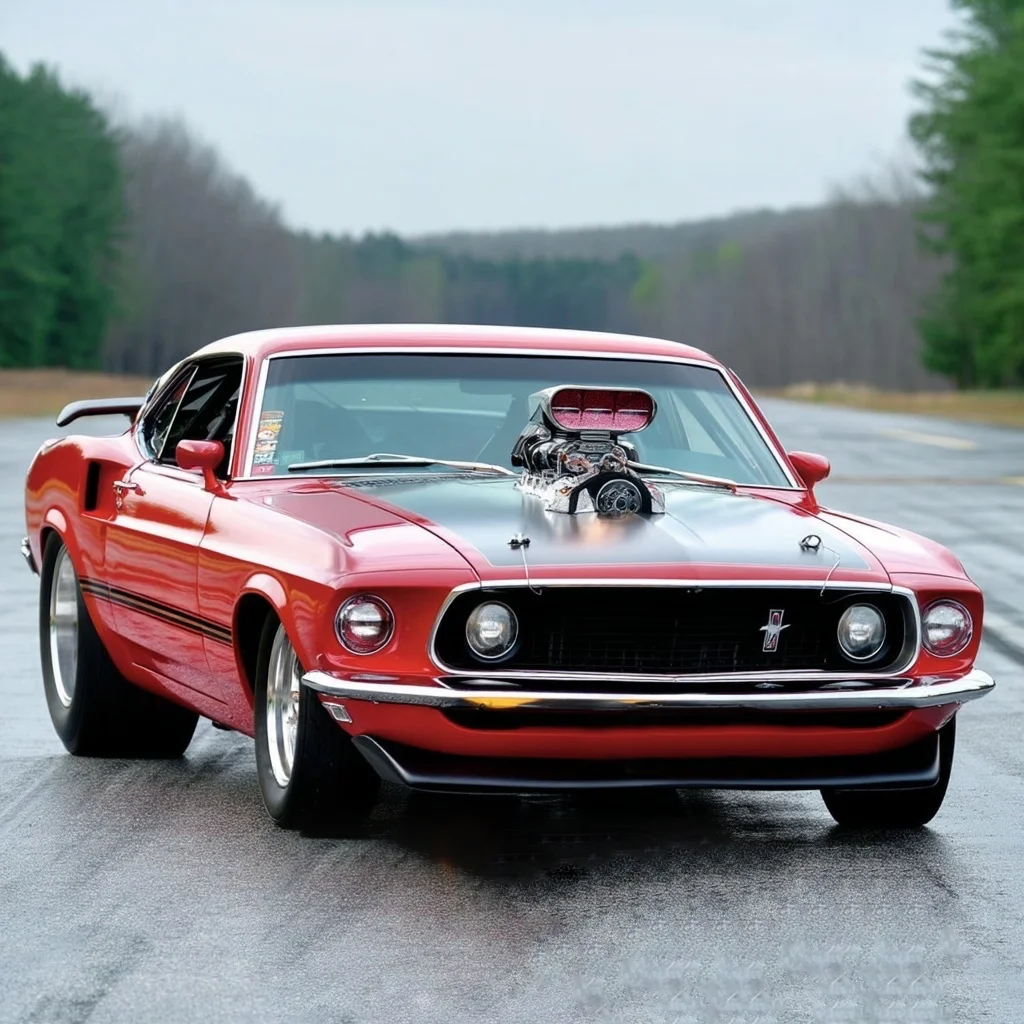
Pro-Street didn’t ask for permission—it dragged the strip onto Main Street. Big-cube power, tubs, blowers through the hood, and just enough manners to wear plates. Here’s where it came from, what defines it, and how it stacks up against Pro-Touring.
Origins
Born from the 1970s–’80s street-machine scene, Pro-Street blurred the line between show car and bracket bruiser. Builders wanted drag-car attitude—towering scoops, steamroller tires, nose-down stance—but they also wanted to cruise, hit burger-night, and roll into a local show under their own power. Magazines and show circuits amplified the look; parts catalogs made it reachable.
What Defines a Pro-Street Car?
Stance & Rubber
- Steamrollers out back (often 12–18" wide), skinnies up front for that drag silhouette.
- Mini-tubs or full tubs and a narrowed rear to swallow tire.
Chassis & Suspension
- Four-link or ladder bars, anti-roll bar, subframe connectors; a stout 9"-style rear.
- Coilovers and proper shock valving for weight transfer without pogoing.
Power & Induction
- Big cubes + big attitude: carb or EFI, roots/centrifugal blowers or turbos. The blower-through-hood look is iconic, not mandatory.
Street Manners
- Cooling capacity (radiator, shroud, fan CFM), charging, lights, wipers, and mufflers—because plates matter.
“A Pro-Street car is a rolling contradiction: part race car, part street machine.”
The Work It Takes
- Plan the footprint: measure twice for tubs, backspacing, and axle width. Mock up tires first.
- Geometry: anti-squat, instant center, and shock travel set the tone for street livability.
- Fuel & heat: pump volume, return-style plumbing, heat shielding near exhaust.
- Electrical: alternator output, relay the fans, protect the harness from heat/abrasion.
- Brakes & alignment: real stopping power and a straight-tracking, non-darty cruise alignment.
- Compliance: know your local requirements (lighting, mirrors, noise) before final assembly.
Pro-Street vs. Pro-Touring
- Intent: Pro-Street chooses drama; Pro-Touring chooses balance.
- Tires: drag-bias bigs & littles vs. square(-ish) performance rubber.
- Suspension: ladder/four-link weight transfer vs. road-course spring rates, bars, and camber control.
- Look: blower scoops and tubs vs. subtle aero and big brakes.
Common Mistakes & How to Avoid Them
- Tire rub: set bump-travel with the actual tire; verify inner/outer clearance at full compression and steer.
- Driveshaft angles: keep operating angles sane; avoid front >3° and mismatched pinion/shaft setup.
- Cooling: under-radiated big-blocks cook in traffic—size the radiator and fans for idle heat load.
- Fuel starvation: tiny pick-ups and dead-head regs don’t cut it with boost—use a return system.
- Wiring heat-soak: protect, loom, and secure; relays on fans and pumps.
Conclusion
Pro-Street is about presence—drag-strip bravado you can actually drive. Build it smart, make it safe, and let the look do what it’s always done: stop people in their tracks.

Want the Full Story?
If you’re interested in the history, evolution, and deeper technical details of Pro-Street builds, check out our full article on the SpeedNeeds blog.
Read the Full Article
Leave a Reply