
 Editorial
Where Did All the Machine Shops Go?
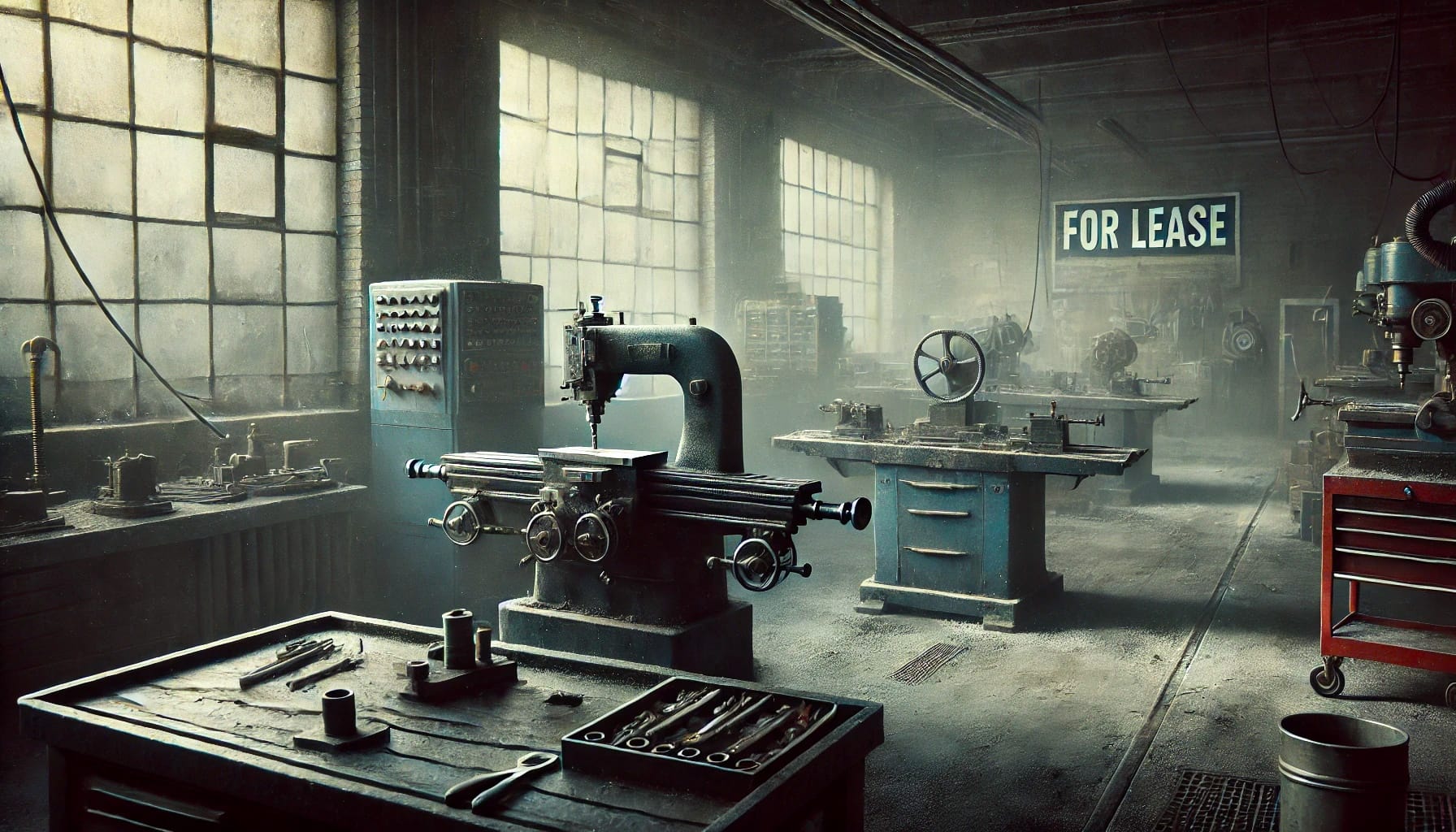
Turnarounds aren’t slow because shops got soft. They’re slow because there aren’t enough machinists left to carry the load. You can’t fake thousandths, and you can’t rush feel. And every delay bleeds into car culture itself—because when machine shops stall, whole builds stall, and the heartbeat of the scene skips a beat.
For more on how we got here—and why shop classes vanished in the first place—see Part 1: The Pipeline Is Broken. It connects the dots between closed classrooms and today’s long machine-shop wait times.
Why It Hurts Performance
- Precision bottleneck: Fewer hands on hones and mills = fewer blueprinted engines.
- Price pressure: Low supply of skill = high price of time.
- Quality risk: Overloaded shops have less bandwidth to mentor the next set of hands.
What You Can Control
- Book early: If you’re building for spring, machining is a winter task.
- Pay for measurement: Ask for before/after spec sheets. Reward process, not speed.
- Mentor nights: If you run a shop, host a monthly “micrometers & measuring” open bay—cap at 8 students, waivers signed, safety first. Check out the NTMA Pittsburgh Chapter Apprenticeship Program for a model of how shops can combine structured training with hands-on mentoring.
Wrench Time
- Post your favorite small shop in the comments—name, city, specialty. I’ll feature one next week.
- Bundle jobs: heads, block, rotating assembly—all spec’d together to save trips and guesswork.
- Be realistic on timelines. Precision beats redo.
Comment prompt: Name the small shop still doing blueprint work right. I’ll feature one next week.
COMMUNITY
Join the SpeedNeeds Underground
Our Facebook group for muscle mods, pro-street, and gritty hot-rod culture. Be part of the tribe.
Enter the UndergroundFree to join
Leave a Reply