Not all muscle wears vintage plates. Modern muscle hits just as hard—sharper lines, smarter power, same street authority.
There’s a myth in the car world that muscle has to be old to matter. That the only “real” muscle cars were born between ‘64 and ‘72, with high-rise intakes, manual choke knobs, and factory steel wheels. But the car in this image shatters that idea—and then leaves the pieces in its wake.
A New Breed of Muscle
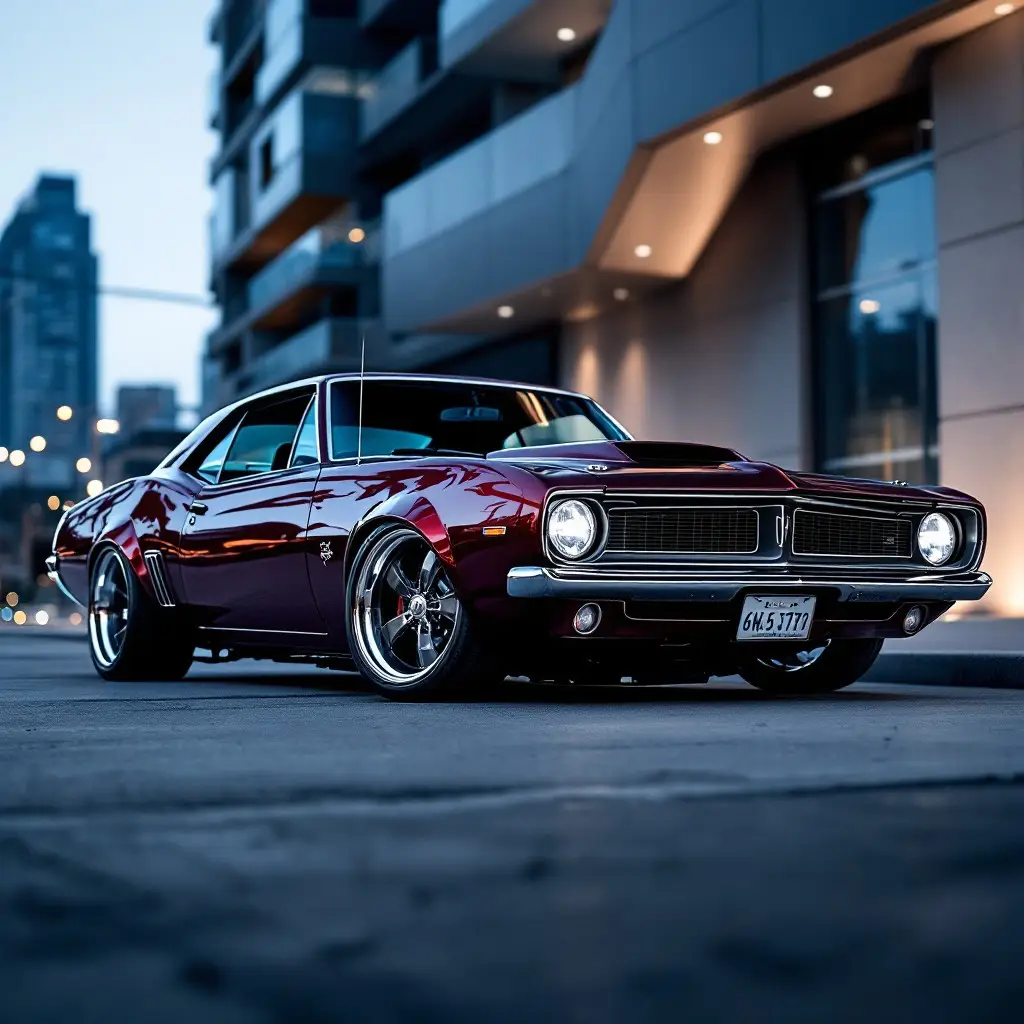
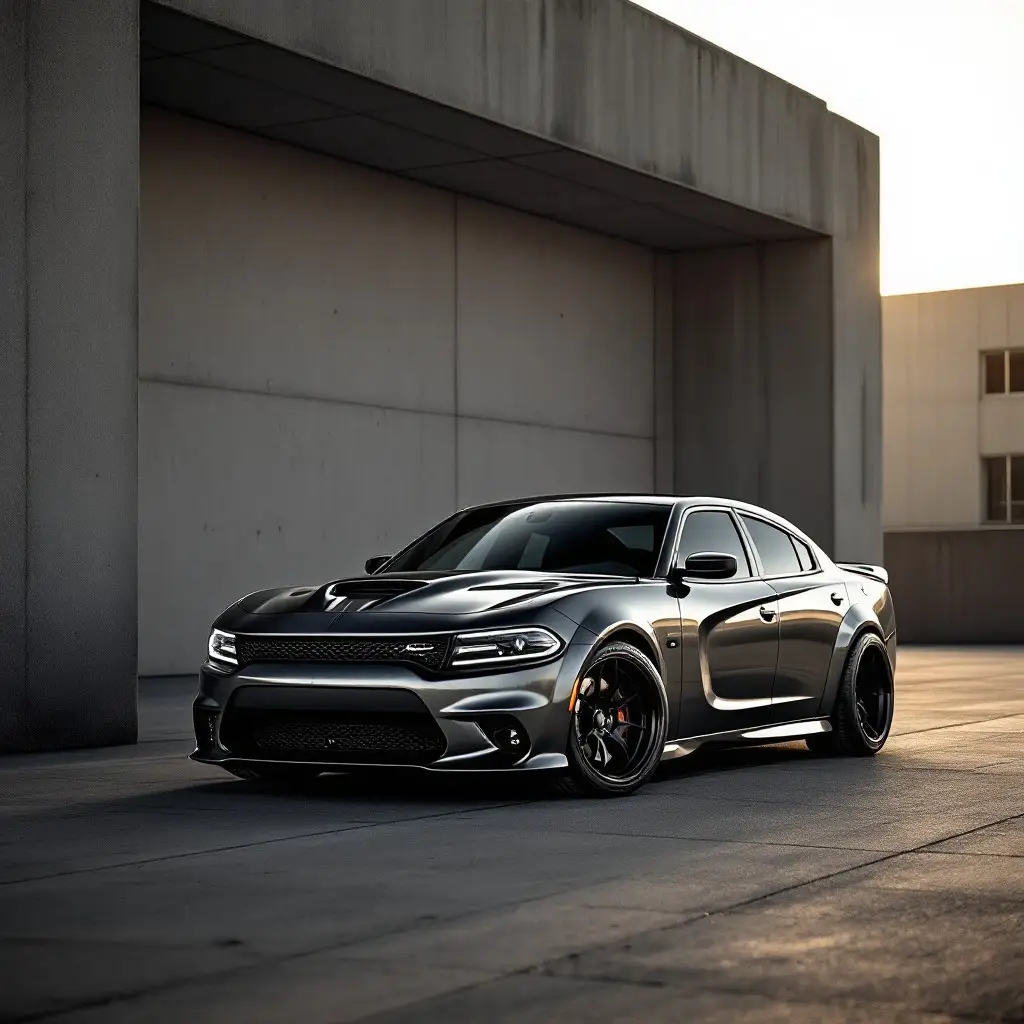
Modern muscle isn’t trying to imitate the past. It’s evolving it. This machine, with its metallic paint, stealth stance, and razor-sharp details, doesn’t look like it came from a junkyard revival or a barn find rescue. It looks like it was engineered with intention—from CAD files to coilovers.
Sure, it borrows from tradition. The aggressive hood. The fastback silhouette. The unmistakable torque-heavy swagger. But the rest? It’s all new. It’s fuel-injected, track-tuned, and probably controlled by a computer that shifts faster than any human ever could.
From Street Icon to Street Weapon
The beauty of modern muscle is in its balance. It keeps the attitude but sheds the sloppiness. It still rumbles—but now it also handles, brakes, and corners like a true performance car.
Look at the stance in this image. It’s not just for show. That low, wide setup screams grip. The tires aren’t just fat—they’re functional. Everything about this car is calculated, not guessed.
And that’s what sets modern muscle apart: precision meets presence.
Respecting the Roots, Rewriting the Rules
There will always be a place for old-school iron. But modern muscle builders are showing us that you don’t need to be stuck in the past to honor it. You can build cleaner. Smarter. Meaner. And still stay true to what made muscle cars great: attitude and power.
Final Thoughts
This isn’t nostalgia—it’s evolution. Whether it’s a new-gen Challenger, a pro touring build, or something like the one in this photo, modern muscle is no longer in the shadows. It’s leading the pack, with sharper lines, smarter engineering, and the same undeniable street presence.
What’s your take on modern muscle?
Does it earn a spot in the pantheon, or is old-school still king? Let’s hear it in the comments.