Why this guide exists
If you’re planning a modern V8 swap, three platforms dominate the conversation: Ford Coyote, Mopar HEMI, and GM LS. Each can make big power, each has a loyal tribe, and each brings different costs, packaging trade-offs, and tuning needs. This guide cuts through the noise so you can pick the right motor for your car, shop, and budget.
TL;DR Decision Matrix
| Factor | Coyote (5.0 DOHC) | HEMI (5.7–6.4 / 6.2 SC) | LS (4.8–7.0 / LSX) |
|---|---|---|---|
| Packaging | Widest heads; tight in older bays; front dress matters | Taller & bulkier; watch brake/ | Most compact; easiest cross-platform fit |
| Cost (engine + basics) | $$–$$$ | $$–$$$$ (Hellcat = $$$$+) | $–$$$ (best donor availability) |
| NA character | High-rev “cammer” feel; loves gear | Big low-end torque; effortless grunt | Broad torque; easy to cam for goals |
| Boost headroom | Excellent with proper fueling/OA | 6.4 strong; 6.2 SC already boosted | Excellent; massive aftermarket for turbo/ |
| Wiring/ | Ford Performance control packs make it sane; more sensors | Mopar kits exist; details vary by year/ | Standalone, OEM reflashes, and plug-n-play harnesses everywhere |
| Trans options | T56 Magnum / TR3160 / 10R80 swaps common | TR6060 / 8HP70/ | T56 / TR6060 / 4L60E / 4L80E / 6L80 easy |
| Aftermarket | Deep, but pricier | Growing; strong for late HEMI | Deepest + cheapest overall |
| Best fit | NA screamer builds, Ford-to-Ford, modern feel | Mopar loyalty, torque-first street cars | Budget-smart, easiest swaps, widest support |
The Contenders
🦊 Ford Coyote (Gen 1–4, 5.0L)
Why builders love it: Factory 7,000+ rpm manners, responsive NA power, durable short block, and great cylinder heads.
Common gotchas: It’s wide (DOHC heads), so shock towers, steering shafts, and brake boosters can get spicy in older bays. Oil pan and front accessory choices matter.
Swap notes (quick hits):
- Fitment: Measure twice around towers/steering; modular K-members help in Fox/SN95/S197 swaps; watch intake height with classic hoods.
- Oil pans: Choose rear-sump or road-race pans that clear the crossmember; baffling recommended.
- ECU/harness: Ford Performance Coyote Control Pack = the easy button (MAF, DBW pedal, O2s included).
- Trans: T56 Magnum and TR3160 are common; 6R80/10R80 autos possible with correct controls.
- Power paths:
- Stage 1 NA (cam/manifold, E85 optional): 460–500+ whp possible on later gens.
- Stage 2 FI (centrifugal/PD): 600–800+ whp with fuel system and OA right.
- Road course note: Cooling and oil control matter—use radiators/ducting and baffled pans.
Best for: Ford-to-Ford purists, high-rev NA builds, modern drivability with a snarling top end.
🦂 Mopar HEMI (5.7, 6.1, 6.4; 6.2 Hellcat/Redeye SC)
Why builders love it: Signature bottom-end torque and Mopar aura. A 6.4 (392) on a mild cam makes big, lazy power that feels great on the street.
Common gotchas: Physically tall and bulky. Starter and manifold clearance near steering can be tight. Hellcat hardware is premium money and packaging.
Swap notes (quick hits):
- Fitment: Expect header/steering negotiation; heat management on starter; compact brake boosters help.
- ECU/harness: Mopar kits and reputable standalones exist; immobilizer/year matching matters—verify donor year strategy.
- Trans: TR6060 6-speed and 8HP autos are excellent with the right controllers.
- Power paths:
- Stage 1 NA (cam/exhaust/tune): 5.7/6.4 respond well; 450–520+ whp possible with a healthy combo.
- Stage 2 FI: Centrifugal/PD kits can push 650–800+ whp on 6.4 with fuel and OA sorted.
- Hellcat 6.2 SC: Factory blower torque is wild; be honest about tire, chassis, and brake needs.
Best for: Mopar loyalty, torque-first street cars, classic Mopar swaps, or anyone who wants effortless shove everywhere.
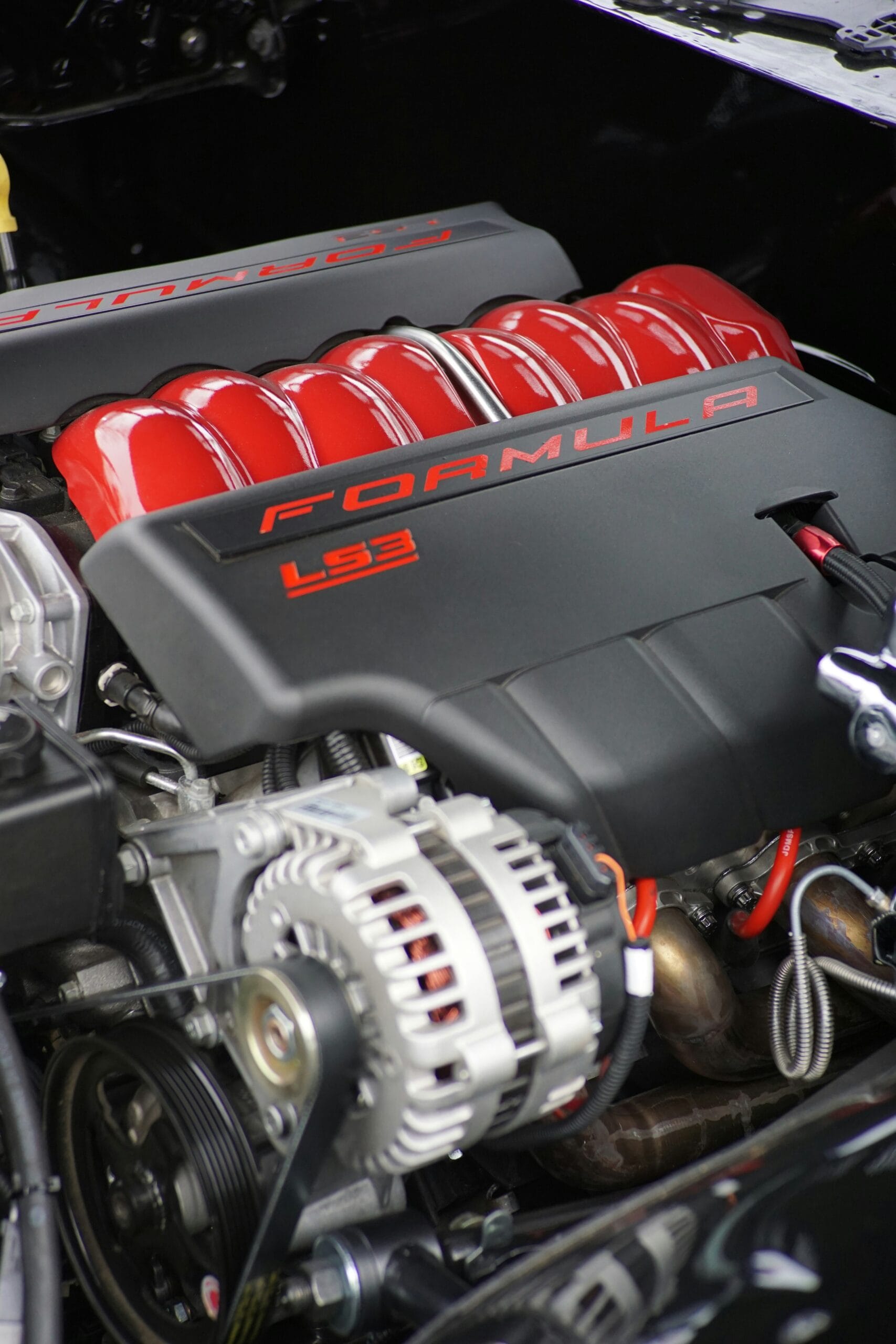
🛠️ GM LS (LM7/5.3, LQ4/6.0, L33/5.3 Alu, LS1/2/3/6/7, plus LSX)
Why builders love it: Packaging + price + parts. The LS slips into the most engine bays with the least drama, donors are plentiful, and the aftermarket is a galaxy.
Common gotchas: Iron truck variants are heavier; cheap doesn’t mean corners can be cut—fuel, OA, and tune still make or break reliability.
Swap notes (quick hits):
- Fitment: Compact heads and front dress; endless mount and pan options for most chassis.
- ECU/harness: Re-flashed OEM PCMs, new harnesses, or standalones are easy and affordable.
- Trans: T56/TR6060 plus 4L60E/4L80E/6L80 are straightforward.
- Power paths:
- Budget 5.3/6.0 (cam/springs/exhaust): 380–450+ whp NA is common; great dollar-per-hp.
- Turbo/PD kits: 600–900+ whp happens often with fueling and ring gaps right; sleeves/rods for big goals.
- Track note: Oil control—baffled pans, PCV strategy, and real coolers if you road-race.
Best for: Highest value, easiest path, widest how-to knowledge. If you want it to “just work,” the LS is the default.
Packaging & Fitment: what bites builders
- Width (heads & manifolds): Coyote is the widest; HEMI is tall/bulky; LS is the easiest overall.
- Oil pan shape: Verify crossmember and steering link clearance; baffles for track work.
- Accessory drive: Low-mount A/C and alternator brackets can save a swap; check rack location.
- Steering & brakes: Plan for header primary routing and compact boosters/hydra-boost in tight bays.
- Cooling stack: Modern cores, shrouded fans, and clean ducting solve 80% of headaches.
- Hood height: Intakes and throttle body angle matter—especially Coyote and truck LS manifolds.
Wiring, ECU, and Emissions
- Coyote: Ford Performance control packs simplify DBW and O2; label everything; keep grounds pristine.
- HEMI: Confirm donor year/immobilizer details; Mopar controller kits or trusted standalones reduce guesswork.
- LS: Most flexible: re-flash an OEM PCM or go standalone. Tons of base maps and community support.
- Emissions: If you need inspections, design for it early—cats, OBD readiness, evap, and stock-style sensors make life easier.
Drivetrain & Gearing
- Street strip: Big-torque HEMI or cammed LS loves a slightly taller gear; Coyote likes rpm and a shorter gear.
- Manuals: T56/TR6060 win for all three; spec the clutch for torque (and your left leg).
- Autos: Modern 6–10-speed boxes transform drivability; budget for controllers, coolers, and shifter logic.
Reliability Basics (all three)
- Fuel: Proper pump, lines, filtration, and return-style regulation if required. E85 demands capacity.
- Oil control: Baffled pan + real PCV/venting; don’t “hope” windage away.
- Cooling: Bigger radiator + sealing/ducting beats a single big fan every time.
- Tune: Conservative spark, measured lambda, and safe temps. A bad tune will grenade any platform.
- Mounts & driveline: Quality mounts, correct pinion angle, good U-joints, and a driveshaft built for the power.
Example Build Paths
Budget Street Brawler (value first)
- Pick: LS 5.3/6.0 from a truck, cam/springs, long-tubes, reflashed PCM.
- Result: 380–450+ whp, great manners, cheap parts, easy fit.
- Why not Coyote/HEMI here: Higher entry cost and packaging pain for the same outcome.
NA Road-Course Screamer
- Pick: Coyote Gen 2–3, long runner intake, cams, oil control, cooling stack.
- Result: 470–520+ whp NA potential, big rpm window, slick throttle feel.
- Why not HEMI/LS here: Can work great, but Coyote’s heads/rpm shine NA on track.
Torque-First Muscle Street Car
- Pick: HEMI 6.4 (392) with a mild cam and proper exhaust.
- Result: 500-ish wheel with effortless low-end; intoxicating street torque.
- Why not LS/Coyote here: Both can deliver, but 392’s character is tailor-made for this brief.
Boosted “Problem-Solver”
- Pick: LS (iron 6.0 or alu 6.2) + turbo/PD kit, real fuel system, and intercooler.
- Result: 600–900+ whp with unrivaled parts availability at each step.
- Why not others: Coyote/HEMI boost brilliantly, but LS has the cheapest, widest boost ecosystem.
Common Parts Checklist (starter)
- Engine (complete long block), intake & TB, front dress, oil pan appropriate to chassis
- Engine mounts & crossmember (swap-specific)
- Transmission, clutch/TC, bellhousing, shifter, driveshaft
- Headers/manifolds, mid-pipe, cats (if needed), heat management near starter/steering
- Fuel system: pump(s), regulator (if needed), filter(s), lines, injectors sized for power/ethanol
- Cooling: radiator, fans/shroud, hoses, expansion/overflow, ducting/seals
- ECU/PCM, engine harness, pedal (DBW), O2s, MAP/MAF as required, clean grounds
- Charging: alternator wiring, main power distribution, fuse protection
- Sensors/Gauges: oil pressure, temp, wideband, CAN dash optional
Budgeting without tears
- Avoid exact dollar promises—markets move. Instead, plan in tiers:
- $ (lean): Donor engine + minimal refresh + smart parts choices
- $$ (middle): Better accessories/headers/pan, fresh clutch/TC, quality harness/ECU
- $$$ (premium): Crate engines, top accessory drives, 6–10-speed autos, big cooling, full exhaust in stainless
- Put 10–15% aside for “oh yeah” items: fittings, sensors, hoses, brackets, heat shields, fasteners.
Final Verdict
- Pick Coyote if you want a modern, high-rev NA experience with excellent road-course manners and you’re willing to solve width/packaging and pay a bit more for the privilege.
- Pick HEMI if you crave torque and Mopar soul, and you’re ready to handle bulk/heat and a pricier parts lane—reward is big-block feel with modern brains.
- Pick LS if you want the easiest path, broadest support, and the best value at every power level—especially for boosted builds and cross-platform swaps.
Truth: The “best” swap is the one that fits your car, your tools, and your reality—budget, space, time, and the kind of driving that keeps you up at night in the best way.
Sources
- Ford Performance – Coyote
- Mopar / Direct Connection – HEMI
- Chevrolet Performance – LS/LSX
- ECU / EFI